Serving Napa, CA and surrounding areas. (707) 254-6144
Livestock containment, deer exclusion, vineyard and orchard protection - we build farm and ranch fencing that holds up in Napa's soil, terrain, and climate.
Farm and ranch fencing in Napa, CA covers perimeter fencing to keep livestock in, cross-fencing to divide pastures, and deer exclusion barriers to protect vineyards and orchards - most projects on accessible flat ground are completed in one to three days, while larger or hillside jobs run longer.
Napa Valley is one of the most actively farmed counties in California, and deer pressure on vineyards and orchards is year-round. Many property owners in Napa call us specifically because their current fence is not tall enough or strong enough to keep deer out - a problem that gets expensive fast when crops are involved. If your land includes animals that also need controlled access, our pet and dog fencing team handles the residential side of that work as well.
We walk every property before quoting, account for Napa's clay and volcanic soils in our post depth and footing design, and handle any permit questions with Napa County before work begins. Reach out and we will respond within one business day.
Walk your fence line and push on the posts at intervals. If a post rocks, leans noticeably, or has visible rot at the soil line, the fence has lost its structural integrity. A sagging wire fence will not contain animals reliably and will not stop deer from pushing through at weak points.
If deer are getting into areas you want to protect, your current fencing is not doing the job. In Napa, deer pressure is year-round but intensifies in summer and fall when natural forage dries out. A fence that worked a few years ago may no longer be adequate as animals learn to test weak spots.
Different animals need different fence types and heights. A fence that kept cattle out will not necessarily contain goats, and a wire fence that is fine for cattle can injure horses. If your land use is changing, have a contractor assess whether your existing fence is appropriate - not just whether it is standing.
New agricultural use almost always requires new fencing, both to protect your investment from deer and wildlife and to define boundaries. In Napa County, where agricultural land values are high, getting the right fence in before you plant or stock animals is far less expensive than repairing damage after the fact.
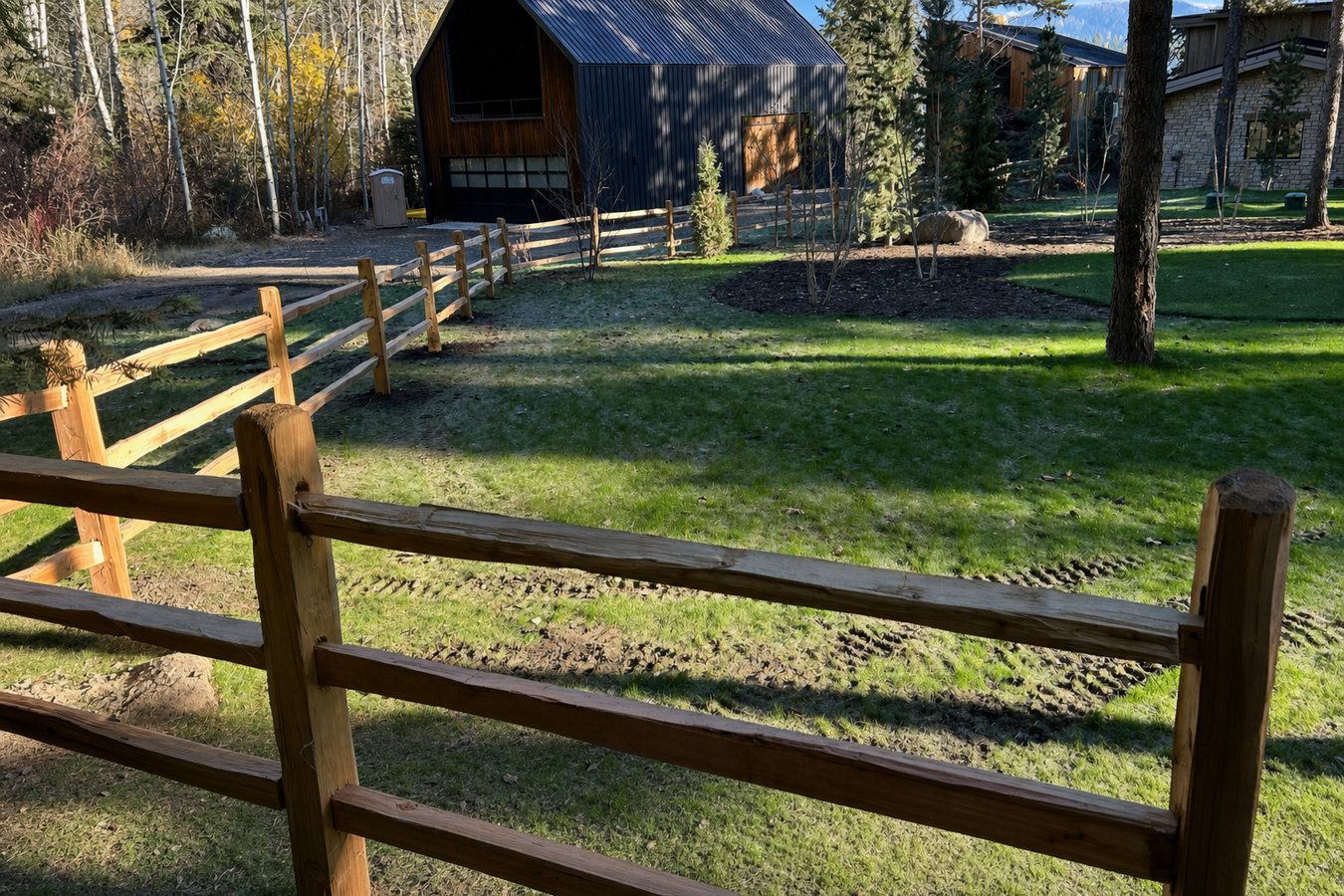
The three fence types we install most often for Napa agricultural properties are woven wire, high-tensile wire, and wood post-and-rail. Woven wire works well for smaller animals like goats and sheep because the tighter grid prevents them from pushing through or getting legs caught. High-tensile wire is the standard choice for cattle and horses - it is strong, spans long distances between posts, and lasts for decades with minimal maintenance when properly tensioned. Wood post-and-rail is a classic look that suits horse properties and property boundary fencing where appearance matters as much as function.
Deer exclusion is a separate category entirely. Standard livestock fencing does nothing to stop deer, which clear a five-foot fence easily. Effective deer exclusion in Napa Valley requires seven to eight feet of height and a mesh size tight enough that deer cannot push through at the base. We also install wood fencing on agricultural parcels where landowners want a more finished look along road frontage, and pet and dog fencing for properties that have both working land and residential areas.
Best for cattle, horses, and long perimeter runs on open Napa Valley land where low maintenance and long lifespan are the priority.
Suited for goats, sheep, and mixed-animal operations where the tighter grid prevents smaller animals from escaping or getting trapped.
Ideal for vineyard and orchard owners in Napa County dealing with chronic deer damage who need a seven to eight foot barrier with sealed mesh at the base.
A good fit for horse properties and road-frontage fencing where the visual character of a wood fence matters alongside its containment function.
Much of Napa Valley sits on volcanic and alluvial soils that include significant clay content and, in hillside areas, rock just a few inches below the surface. Digging post holes in these conditions often requires a hydraulic auger or hand-digging around rock, which affects both time and cost. Contractors who have not worked in Napa's hillside terrain regularly underestimate this, which leads to change orders mid-project. We quote after walking the property, so the number you agree to is the number you pay. Napa County also has specific zoning regulations for agricultural land - fencing on parcels in the Agricultural Preserve or Agricultural Watershed zones may require review depending on fence type and location - and we handle that permit conversation before any work begins.
Napa's Mediterranean climate means the ideal installation window is late spring through early fall, when the ground is dry enough to work in and post-hole concrete sets cleanly. We work across the full Napa Valley region, including rural properties near Yountville and agricultural parcels serviced from our base in Napa. The UC Cooperative Extension publishes research-backed deer management and fencing guidance specific to California agricultural land that we reference when advising on deer exclusion height and mesh specifications.
We ask basic questions about your acreage, what you are containing or excluding, and where the property sits in the valley. We then schedule a site visit to walk the terrain before giving you any price - no phone quotes on rural projects. You will hear back within one business day.
After walking your property, we send a written estimate that separates materials and labor. For hillside or rocky ground in Napa, we flag those conditions specifically in the estimate so there are no surprises when the crew arrives.
If your property is on agricultural-zoned land in Napa County, we confirm permit requirements before any post holes are dug. We also confirm that underground utilities are marked through California 811 before breaking ground - this is required by law and protects everyone on site.
Corner and gate posts go in first, then line posts, then wire or boards are attached and tensioned. Before we leave, we walk the full fence line with you, test every gate, and confirm wire tension and post stability. A fence built for Napa's conditions should not need a callback.
We walk your land before we quote - no guesswork, no surprises on your invoice.
(707) 254-6144We walk every property before pricing it. Rocky hillside soil, hard-pan clay, and terraced parcels all affect cost - and contractors who have not worked in Napa regularly miss this. Our estimates reflect your actual conditions, not a square-footage formula.
Napa County has among the highest deer densities in Northern California, and a fence that is six inches too short lets deer in every time. We build deer exclusion fencing to the height and mesh specification that actually works in this valley, backed by guidance from the UC Cooperative Extension.
Not every contractor knows Napa County's agricultural zone permit requirements. We do - and we sort out the county planning question before the first post goes in, so your fence does not get flagged after the fact.
Napa's wet season turns clay soil into a muddy mess that compromises how posts set. We schedule farm fencing projects in the dry window - spring through early fall - when the ground is workable and results last. Spring booking slots fill fast, so early scheduling matters.
Verify our license and standing at any time through the California Contractors State License Board. We also follow California 811 dig-safe protocols on every job - underground utility marking is not optional, and we treat it that way.
Containment fencing for dogs and smaller animals on residential and semi-rural Napa properties.
Learn MorePost-and-rail and board-style wood fencing suited for horse properties and rural boundaries.
Learn MoreSpring booking slots fill fast - lock in your project before the dry season window closes.